United Airlines CEO Scott Kirby Approached Delta for Merger, Report Claims
United Airlines Chief Executive Scott Kirby reportedly contacted Delta Air Lines last year regarding a potential merger. This move aimed to create the largest US airline by market value. The proposal did not advance, following earlier reports of Kirby exploring a similar combination with American Airlines, according to Simple Flying, citing The Wall Street Journal.
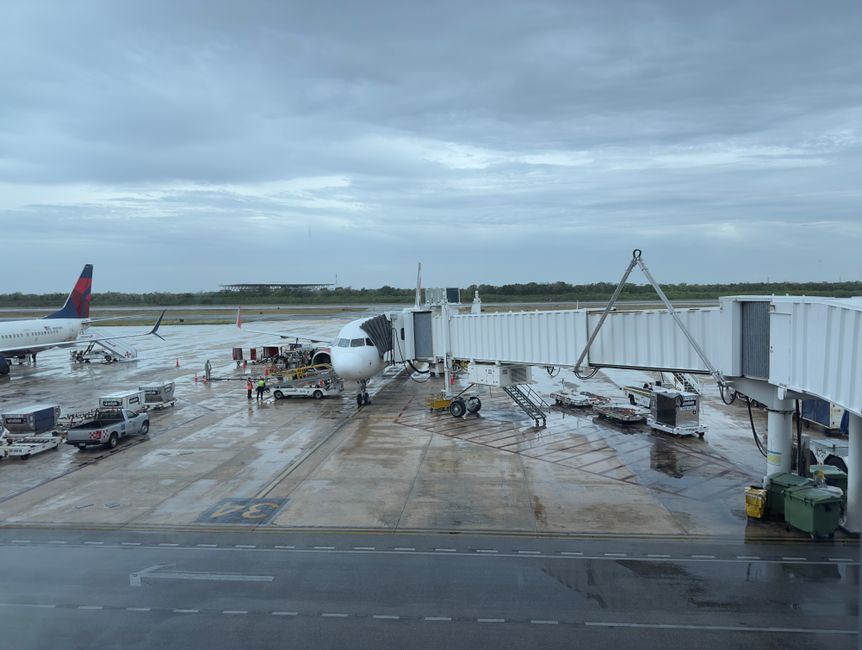
United CEO Explored Delta Combination
United Airlines Chief Executive Scott Kirby reportedly approached Delta Air Lines in 2023. He aimed to discuss a potential merger between the two carriers. This consolidation would have established the largest US airline by market value. The proposal did not progress beyond initial discussions. This revelation follows earlier reports of Kirby exploring a similar combination. He had reportedly considered a merger with American Airlines previously. Simple Flying reported this news, referencing an account from The Wall Street Journal. These actions demonstrate Kirby's ambition for industry-defining transactions.
Details of the Unsuccessful Approach
Sources familiar with the matter state that Kirby directly contacted Delta CEO Ed Bastian. This outreach formed part of United's strategy to combine two significant US network airlines. Delta's leadership assessed the proposal. They conducted preliminary due diligence on the concept. Ultimately, Delta decided against advancing to formal discussions. Both airlines subsequently abandoned the idea. The proposed combination would have united two dominant forces in the US market. Decades of industry consolidation already shaped their positions.
Why Delta Attracted Interest
The report suggests Kirby's interest extended beyond simple market expansion. Delta maintains a reputation as an industry benchmark. It leads in profitability, operational reliability, and passenger reviews. Kirby has often commended Delta's business strategy. This approach prioritises attracting higher-yield travellers. It avoids competing primarily on low fares. This philosophy has influenced United's own strategy significantly. United has invested in premium cabins, lounges, and international connectivity. It aims to narrow its performance gap with Delta. Last year, United and Delta together generated over 90% of US airline industry profits. This shows their combined market influence. A combined entity would have approached $100 billion in market value.
Significant Regulatory Obstacles
Completing such a merger would face extraordinary difficulty, likely proving impossible. The four largest US airlines already dominate the domestic aviation market. These include American, Delta, United, and Southwest Airlines. A merger between United and Delta would trigger intense scrutiny. The Department of Justice and other competition authorities would investigate. The timing of Kirby's proposal is also notable. Some business leaders believed a Trump administration might adopt a more lenient stance on large corporate mergers. However, the sheer scale of a United-Delta combination would make regulatory approval highly uncertain. Previous reports of a United-American merger also drew criticism from lawmakers. Former President Trump reportedly opposed it. American CEO Robert Isom described it as 'anticompetitive'.
Implications for the Industry and Asia
These developments confirm that the major US carriers, American, Delta, and United, will remain separate entities. No imminent merger possibility exists among them. For travellers, this means continued competition among the 'Big Three' on domestic and international routes. For the industry, the high regulatory hurdles for mega-mergers in the US persist. This pattern offers a parallel for Asian markets. While consolidation has occurred in Asia, such large-scale combinations face similar scrutiny. Asian carriers may continue pursuing organic growth or strategic alliances. They might avoid the significant regulatory challenges seen in the US. This US outcome reinforces a global trend against creating dominant monopolies in aviation. It suggests a focus on competitive market structures.
Get The Post.
The global travel stories that matter, three mornings a week. Free.
By subscribing you consent to receive this newsletter from GlobalTravelPost (Asia Press Centre Pte. Ltd.); unsubscribe at any time.