United Airlines' Network Strategy Drives Ski Travel Dominance
United Airlines' long-term strategy, focusing on expanding its flight network and deploying larger aircraft, has cemented its leading position in the competitive US ski travel market. Data suggests passenger loyalty follows the availability of useful routes and schedules, rather than brand affinity alone.
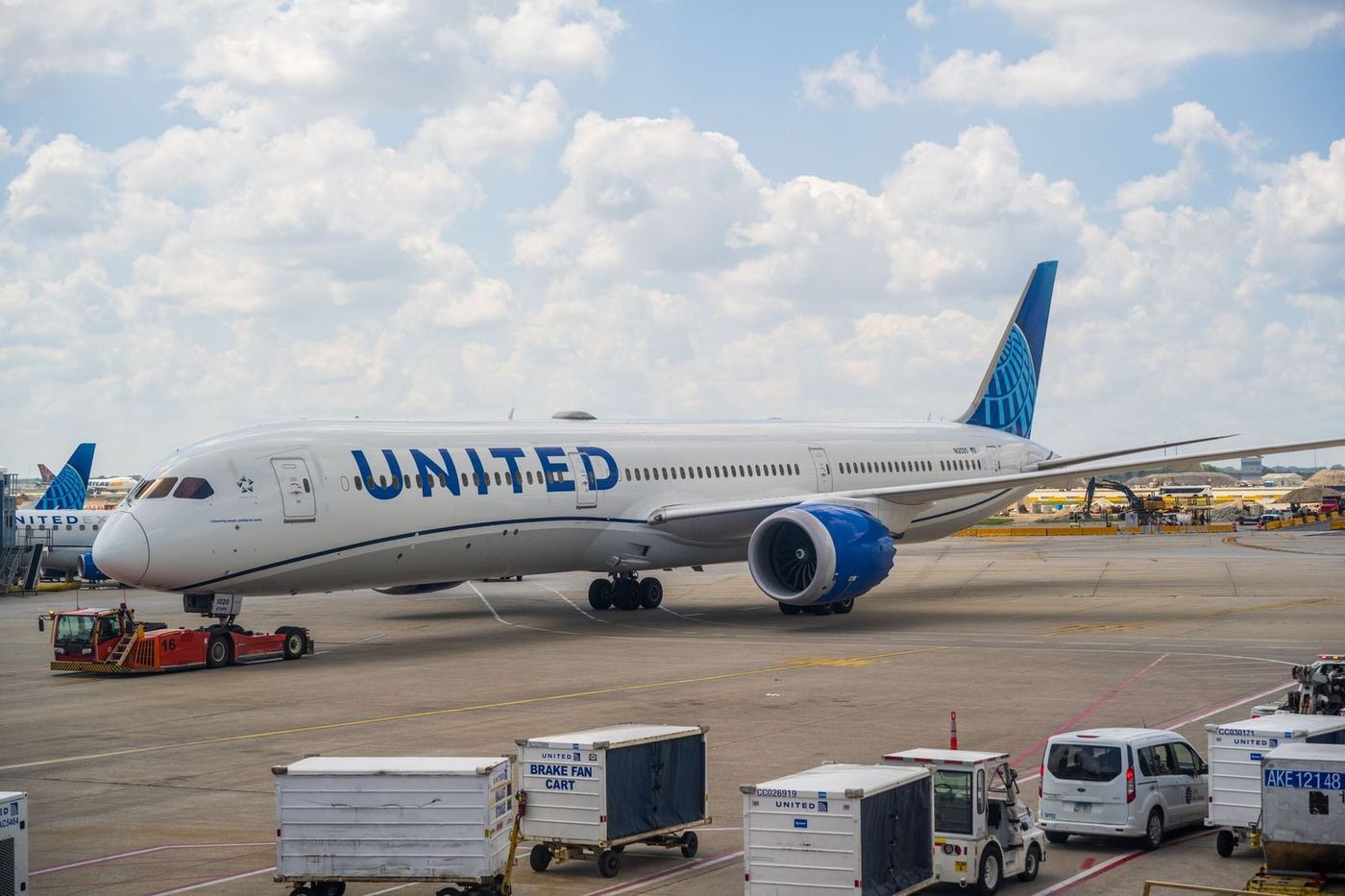
United Expands Ski Network with Direct Routes
United Airlines is expanding its direct flight network to US ski destinations, exemplified by a new nonstop service from Boston to Jackson Hole, Wyoming. This route, scheduled for six Saturdays between February 13 and March 20, 2027, will operate a 126-seat Boeing 737-700.
The addition is notable as United typically prioritises hub-and-spoke operations over point-to-point connections. Aviation strategist Adam Nathan identified United as America’s "ski-country airline," highlighting its extensive reach. United's network comprises 60 routes to 15 mountain destinations from seven cities in January and February, with Denver serving as the primary hub.
Newark, Washington Dulles, Houston, Chicago, and San Francisco also provide service. In contrast, Delta Air Lines maintains a ski network of 30 routes into 12 gateways this winter (2026/2027), primarily structured around its Salt Lake City hub, supplemented by seasonal demand from Atlanta, Minneapolis, Boston, New York (JFK and LGA), Los Angeles, and Seattle.
Market Share Growth Driven by Capacity Increases
Analysis of US Department of Transportation (BTS) T-100 Segment data reveals United Airlines' robust market share in 13 key western resort airports, excluding major hubs like Denver and Salt Lake City. In February 2019, United held approximately 42.6% of inbound seats at these airports, a figure that increased to around 43.6% by February 2026.
Over the same period, Delta's share declined from roughly 20.6% to 17.0%, while American Airlines saw a reduction from about 24.1% to 20.2%. Alaska Airlines' share rose from 8.7% to 10.1%, and Southwest Airlines entered the market with approximately 6.4% by February 2026.
United's inbound capacity at these airports grew by 65.4% between February 2019 and February 2026, rising from 162,537 to 268,888 seats. This expansion resulted from a 27.3% increase in departures and a 30.0% rise in average seats per departure, demonstrating that 48% of the added seats came from more flights and 52% from the deployment of larger aircraft.
Kirby's Decade-Old Network Strategy Pays Off
The growth in United's ski network and overall domestic capacity aligns with a strategy initiated by Scott Kirby upon his appointment as President on August 29, 2016. Kirby's assessment, detailed in United's 2016 annual report and elaborated at a January 2018 investor event, identified a lack of scale in United’s mid-continent hubs and a downgauging of coastal hubs.
His plan focused on restoring breadth and frequency, improving hub banking, replacing 50-seat regional jets with larger regional and mainline aircraft, and fostering 4% to 6% annual domestic capacity growth.
This approach aimed to enhance the airline's utility for local customers, thereby strengthening local market share, increasing loyalty, and driving revenue, including co-brand credit card customers. Despite initial market scepticism regarding capacity growth, this strategy reversed a previous playbook that had reduced domestic presence and over-relied on smaller regional jets.
Utility, Not Just Brand, Shapes Passenger Choice
United Airlines' success in the ski travel sector demonstrates that practical utility and network relevance are primary drivers of passenger choice and market share. While United's leadership may attribute success to brand affinity, the data reveals that passengers select the airline because it provides the flights, seats, and schedules they require.
For travellers, this strategy means greater access to specific destinations through direct routes and increased capacity, potentially offering more convenience and choice for winter sport holidays. For the aviation industry, United's experience shows the tangible benefits of a focused network strategy and capacity growth, even when initially met with market apprehension.
Other carriers may observe these outcomes, potentially influencing future network planning and aircraft deployment decisions as they seek to meet specific market demands and solidify their own competitive positions.
Get The Post.
The global travel stories that matter, three mornings a week. Free.