United Airlines Prevails in Flight Attendant Pay Dispute
A US federal judge has largely dismissed a class-action lawsuit against United Airlines. The case, brought by former flight attendants, alleged unpaid work for pre-flight and ground duties. The court directed the dispute towards union arbitration, citing jurisdictional limits.
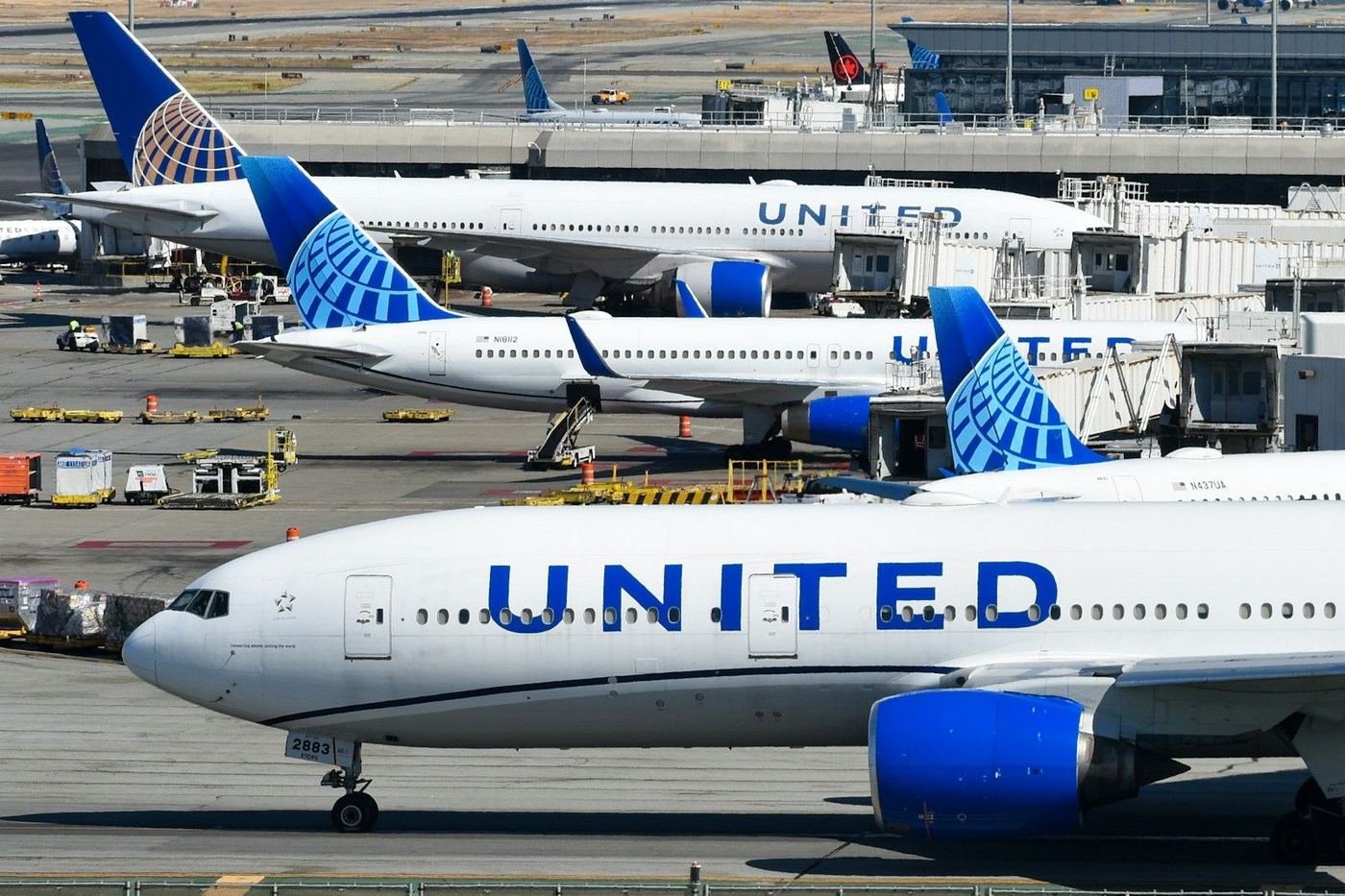
Court Dismisses Most Claims Against United
A US federal judge in New Jersey has largely dismissed a proposed class-action lawsuit against United Airlines. The court granted United’s motion to dismiss most counts. Two former flight attendants accused the carrier of not compensating crew members for various duties. These included pre-flight preparations, boarding, and deplaning.
US District Judge Julien Xavier Neals issued the opinion earlier this week. The judge determined the court lacked jurisdiction over the dispute. This decision aligns with United’s argument regarding the Railway Labor Act. The Act governs many workers in the airline sector.
It deprives district courts of jurisdiction over cases requiring interpretation of collective bargaining agreements. Judge Neals stated that interpreting such agreements is a task for the System Board, not the Court. This ruling directs the core of the dispute away from federal courts.
Allegations of Unpaid Pre-Flight and Ground Duties
The lawsuit was filed last September by Ava Lawrey, a former United flight attendant. She worked for the airline between July 2023 and July 2025. Lawrey, based at Newark Liberty International Airport, claimed she regularly worked without pay. She reported needing to arrive 90 minutes before scheduled departure times.
This allowed for security checks, gate sign-in, and pre-flight briefings. Payment for flight attendants typically commenced only after the aircraft door closed. It concluded once the plane arrived at the destination gate. Lawrey stated she performed essential activities uncompensated.
These included checking safety equipment and assisting passengers during boarding and deplaning. Lauren Tripp, a Texas-based flight attendant primarily working from Newark, later joined the lawsuit. Both plaintiffs contended that United breached New Jersey’s wage and hour laws. They alleged non-payment for required work hours, including extensive waits between flights.
United's Defence and New Boarding Pay Structure
United Airlines successfully argued for dismissal based on the Railway Labor Act. The airline contended that the Act prevents district courts from adjudicating disputes tied to collective bargaining agreements. Judge Neals concurred, concluding the case would require interpreting the agreement between United and its flight attendants. This falls outside the court’s purview.
Separately, United introduced boarding pay for flight attendants this year. This change forms part of a new collective bargaining agreement. Boarding pay is calculated as a fixed percentage of the hourly flying rate. This percentage varies by aircraft type. For A319/A320/737-700, it is 29.2%. For 737-800/MAX 8/MAX 9/900, it is 33.3%. Widebody/757/A321XLR aircraft attract 41.7%.
The pay is per flight sector, irrespective of actual boarding duration. A new-hire flight attendant on an Airbus A320, for example, receives $10.82 in boarding pay.
Implications for Future Labour Disputes
The court’s decision means the flight attendants cannot pursue their claims in federal court. Instead, they must now seek arbitration through their union’s grievance process. This ruling demonstrates the significant role of the Railway Labor Act in US airline labour relations. It underscores that certain disputes must follow specific, established channels.
The federal court did not rule on the lawfulness of United’s prior pay practices. A narrow part of the lawsuit, concerning information presented on wage slips, was not dismissed. However, the parties must now engage in jurisdictional discovery for this remaining claim. This will determine if the Railway Labor Act also precludes court jurisdiction on this specific matter. The outcome of the arbitration process will reveal the final resolution for the flight attendants’ claims.
Get The Post.
The global travel stories that matter, three mornings a week. Free.