United Airlines Flight Diverts After Passenger Attacks Crew
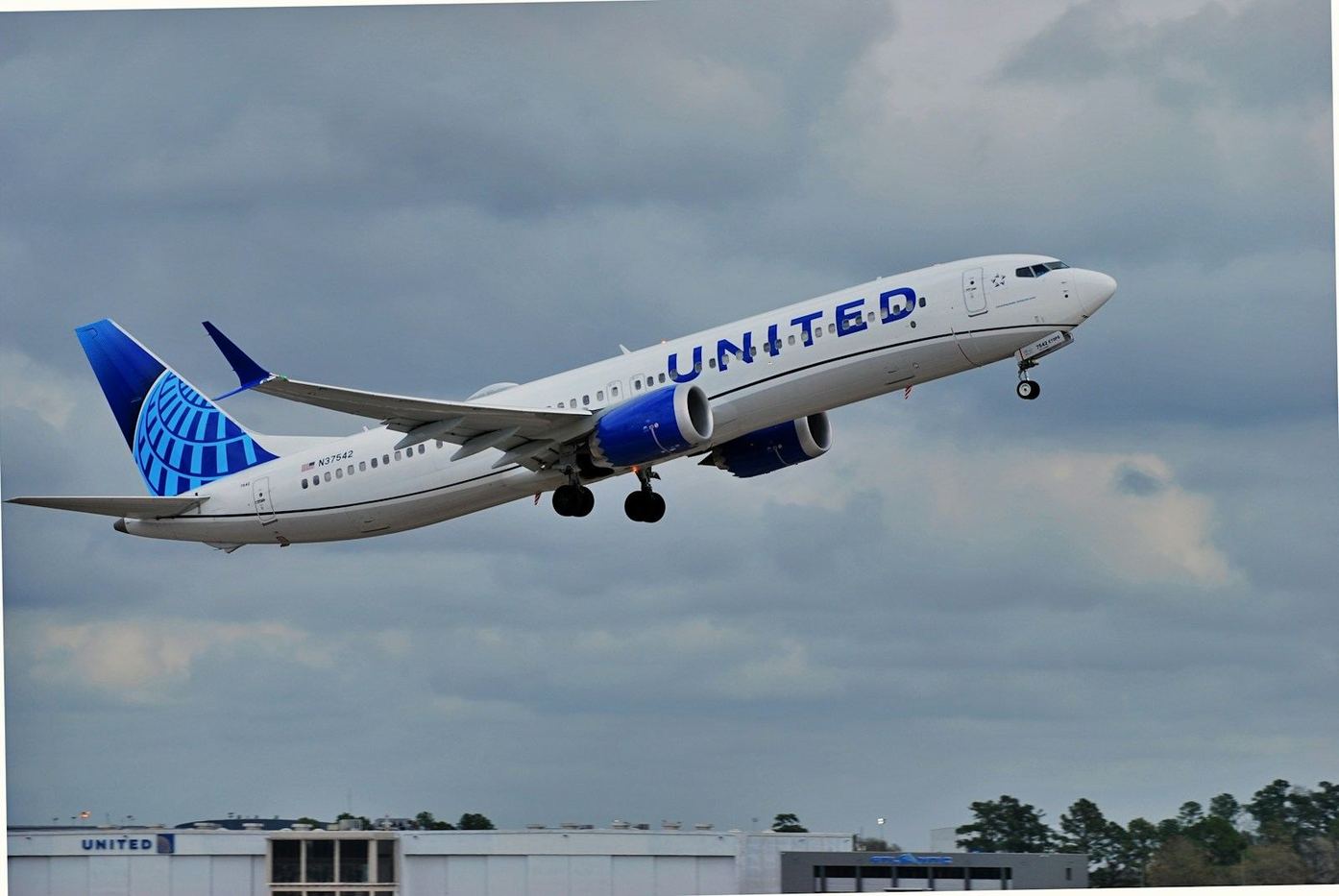
A United Airlines Boeing 777 travelling from Milan to Newark made an unscheduled landing in Bangor, Maine, on 8 September following an incident where a passenger assaulted a flight attendant.
Mid-Flight Incident Prompts Diversion
United Airlines flight UA-18, a Boeing 777 from Milan, Italy, to Newark, USA, was forced to divert to Bangor, Maine, on 8 September. The unscheduled landing was triggered by an incident involving an intoxicated passenger, Kristina Kedysheva, who allegedly became disruptive.
Kedysheva reportedly demanded more alcohol, refused to remain seated, and engaged in arguments with flight attendants. The situation escalated significantly when she bit a crew member during an attempt to restrain her at the rear of the aircraft. The diversion occurred while the flight was at 35,000 feet over the Atlantic Ocean.
Federal Charges Filed Against Passenger
Following the mid-air incident, Kristina Kedysheva now faces federal charges of interference with crew members. An affidavit filed by FBI investigators alleges that Kedysheva grew combative after flight attendants declined to serve her additional alcohol. Crew members stated they had already served her several glasses of red wine during the main meal service.
Kedysheva later demanded hard liquor, was refused, and then repeatedly sought more alcohol, arguing with staff and filming them despite multiple requests to stop. Interference with crew members is classified as a federal crime in the United States, carrying a maximum penalty of up to 20 years' imprisonment and a fine of as much as $250,000.
Crew Actions and Passenger Restraint
To de-escalate the volatile situation, a flight attendant requested the Captain activate the 'fasten seatbelt' sign, a standard procedure used to instruct passengers to return to their seats for various reasons beyond just turbulence. Kedysheva reportedly refused to obey the sign, continuing her arguments in a combination of English, Italian, and Russian.
With the assistance of several able-bodied passengers, including an off-duty pilot, crew members attempted to restrain Kedysheva using flexi-cuffs. During the ensuing scuffle, Kedysheva allegedly lashed out, biting one flight attendant on the wrist and kicking the same crew member in the stomach.
Although initially restrained, a second set of cuffs was applied after she complained the first set was too tight and then attempted to escape.
Implications for Asia-Pacific Airline Protocols
This incident highlights ongoing global challenges for airlines in managing unruly passenger behaviour, particularly concerning alcohol consumption and crew safety. For Asia-Pacific carriers operating extensive long-haul networks, such events prompt a critical review of existing protocols.
Civil aviation authorities across the region, such as the Civil Aviation Authority of Singapore (CAAS) or the Civil Aviation Administration of China (CAAC), may consider issuing updated guidance on in-flight alcohol service policies and crew training for de-escalation and restraint techniques.
These bodies could mandate new training modules for flight attendants by late 2026, focusing on handling combative passengers and the appropriate use of restraint devices, to ensure consistent safety standards across international routes.
Such measures would aim to minimise disruptions and protect crew members, impacting potentially hundreds of thousands of travellers on routes connecting Asia to Europe and the Americas annually.
Get The Post.
The global travel stories that matter, three mornings a week. Free.