US Marine Corps, Navy Pilot Pay Contrasts in 2026
A comparison of United States Marine Corps and Navy pilot compensation for 2026 shows identical base salaries for officers across all US armed forces branches, with total earnings significantly influenced by branch-specific incentives and retention bonuses. These military career paths provide extensive flight training and offer a pipeline for future commercial aviators.
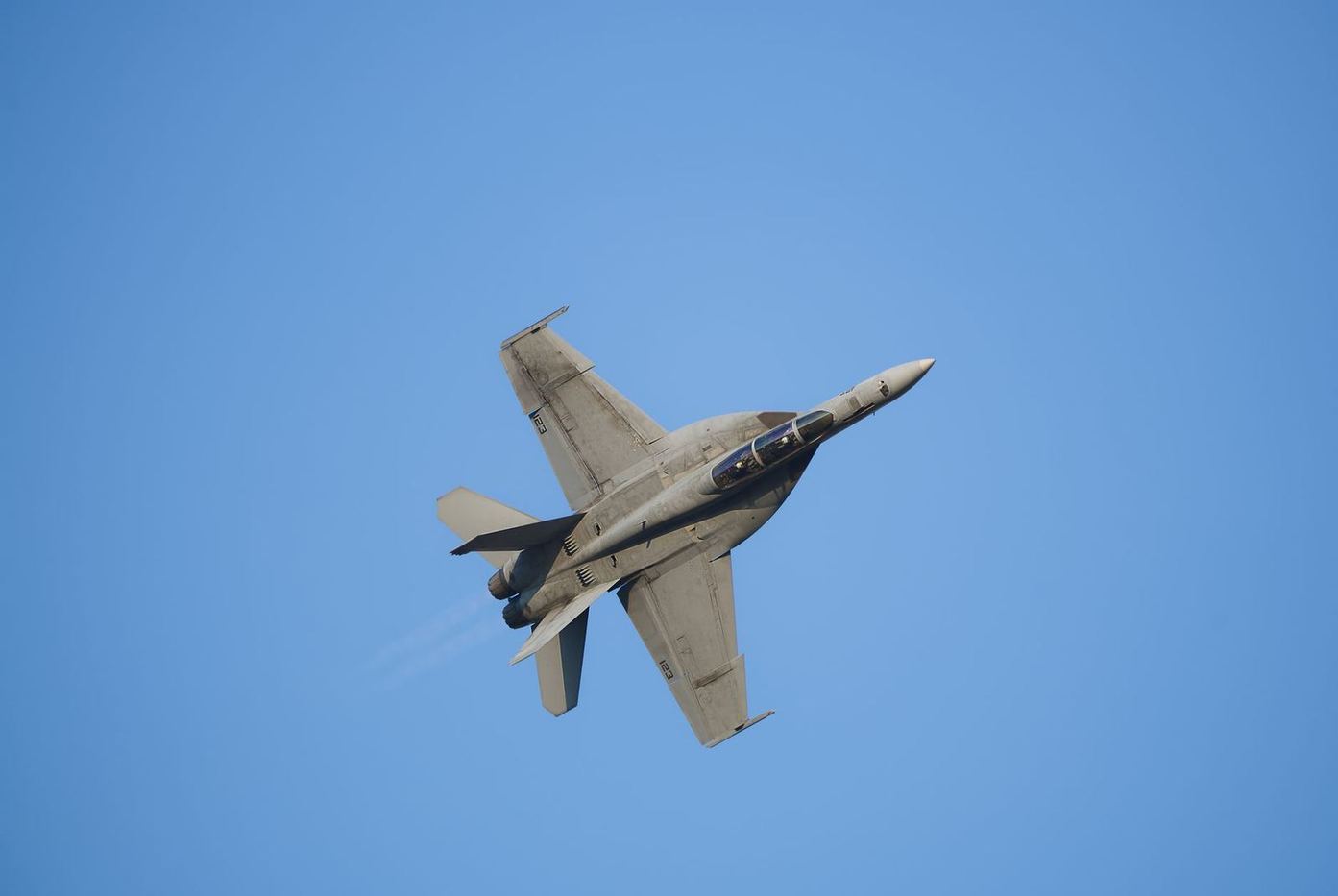
Military Aviation Careers: Distinct Paths
Piloting for the United States military presents a distinct career alternative to commercial airline aviation. While the US Air Force is often the primary consideration for military flying, the US Navy and US Marine Corps also maintain substantial pilot cohorts. Each branch trains its aviators for different missions and operates a varied fleet of aircraft.
Notably, US Marine Corps pilots must first complete 'The Basic School' (TBS), a programme focused on ground combat leadership, before commencing flight training. This requirement reflects a fundamental difference in mindset, as Marine aviators are first trained as infantrymen who also happen to fly.
While base salaries for officers are consistent across all US armed forces, additional incentives and career structures vary considerably by branch.
US Marine Corps Pilot Compensation Structure
To become a US Marine Corps pilot, individuals must possess a four-year college degree and commission as an officer through routes such as Officer Candidates School (OCS), Platoon Leaders Class (PLC), the Naval Academy, or Naval ROTC.
Candidates must also achieve a strong score on the Aviation Selection Test Battery (ASTB) and pass a rigorous medical examination before undertaking TBS. Following six months at TBS, officers then proceed to aviation indoctrination and flight training. All USMC pilots are officers, and their base pay is uniform across all US Armed Forces, adjusted primarily by years of service.
For 2026, a Second Lieutenant (O-1) earns approximately $56,000 annually. This rises to about $68,000 for a First Lieutenant (O-2) and $87,000 for a Captain (O-3). Majors (O-4) receive around $101,000, Lieutenant Colonels (O-5) approximately $121,000, and Colonels (O-6) earn $144,000 in base pay.
Promotions to O-2 typically occur after 24 months of active commissioned service, and O-3 at the five-to-six-year mark. Higher ranks, such as O-5 and O-6, are competitive and generally awarded after a decade or more of service, based on performance reviews.
Marine Corps Incentives and Total Earnings
While base salaries for officers are standardised across US military branches, incentive programmes differ, often significantly influencing total compensation. In the US Marine Corps, a key incentive is the retention bonus, which can reach up to $320,000. This bonus requires an additional service obligation of 48, 72, or 96 months, potentially adding up to $40,000 per year.
Beyond this, USMC airmen receive a basic allowance for housing (BAH) and a basic allowance for subsistence (BAS), providing thousands of additional tax-free pounds annually. Aviation career incentive pay (ACIP) further supplements earnings, ranging from $150 to $1,000 per month, depending on years of service.
Collectively, the total annual earnings for USMC aviators in 2026 can range from over $50,000 for newly qualified pilots to nearly $200,000 for the most experienced personnel. This career path also eliminates the need for individuals to pay over $100,000 for flight training, as the Corps covers these costs and offers tuition assistance for college.
US Navy Pilot Compensation and Comparison
Similar to the US Marine Corps, all US Navy pilots are commissioned officers, operating under the same O-1 to O-10 ranking system as other military branches, though with different rank titles. The base salaries for Navy officers are identical to those in the Marine Corps and other US Armed Forces branches.
For 2026, early O-1 Ensigns typically begin with annual pay under $50,000. Lieutenant Commanders (O-4) may earn over $113,000, while a Captain (O-6) receives between $96,000 and $172,000, with the exact amount dependent on their years of service.
The primary distinction in overall compensation between the Navy and Marine Corps, therefore, lies not in the base salary, but in the specific incentive packages and bonuses each branch offers to attract and retain its aviators. These incentives are tailored to the staffing needs and operational requirements of each service.
Implications for Global Aviation
The structured career path and comprehensive training provided by the US Marine Corps and Navy for their pilots represent a significant pipeline for the global aviation industry.
While military pilot salaries may not match the highest commercial airline pay cheques, the absence of personal flight training costs and the provision of tuition assistance offer substantial financial benefits. This system produces a steady supply of highly skilled and disciplined aviators who, upon completing their military service, can transition into commercial roles.
For airlines worldwide, these former military pilots constitute a valuable recruitment pool, bringing extensive flight hours, leadership abilities, and operational experience.
Consequently, the compensation structures and retention strategies within the US military indirectly influence the availability and quality of pilots entering the broader commercial and private aviation sectors, impacting recruitment and training dynamics across the industry.
Get The Post.
The global travel stories that matter, three mornings a week. Free.