White Lotus French Riviera: Luxury Travel Debates Show's Impact
HBO's 'The White Lotus' Season 4 moves to the French Riviera, sparking debate among luxury travel professionals on its influence and destination authenticity.
French Riviera Setting for New White Lotus Season
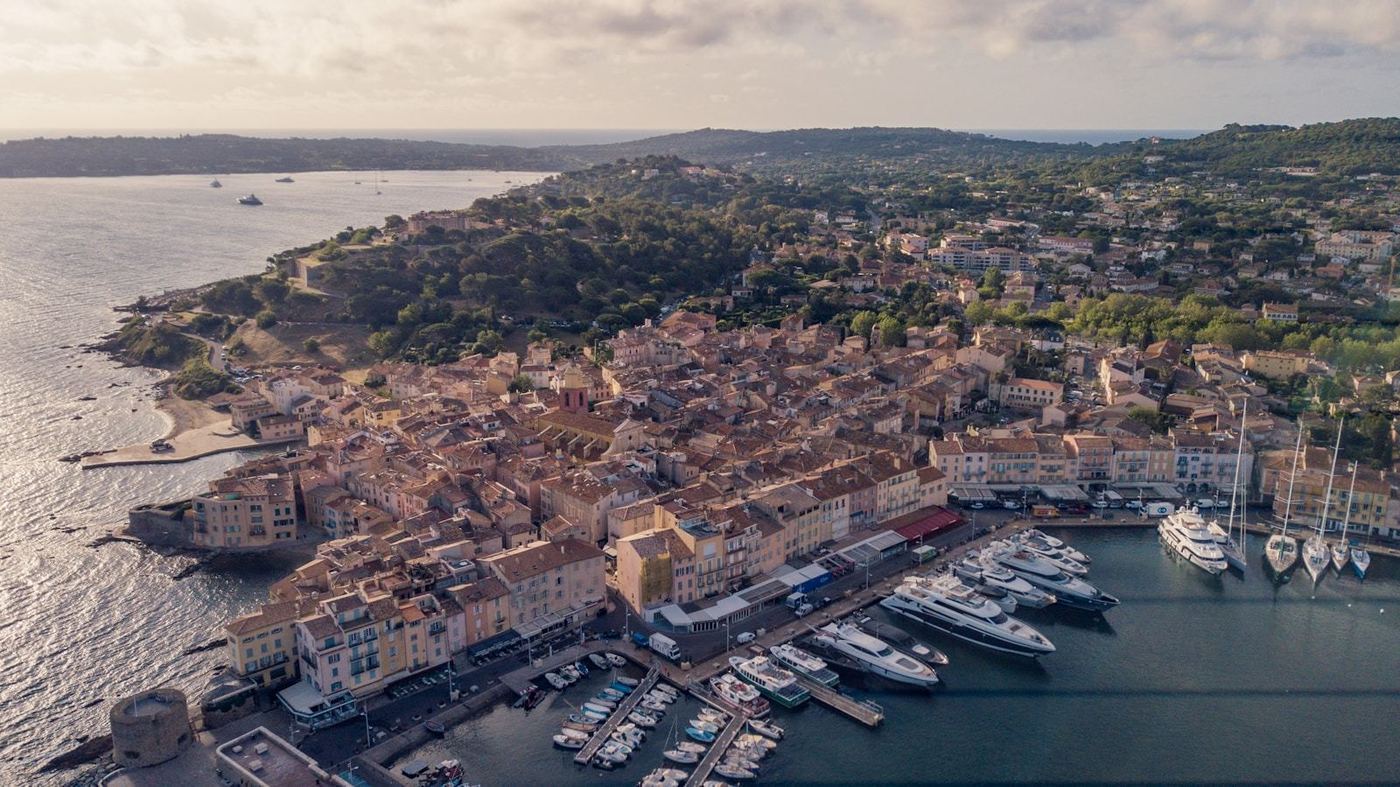
HBO's critically acclaimed series, 'The White Lotus', will set its fourth season in the French Riviera, marking a significant shift in its narrative and location strategy. The Emmy-winning satire, which previously focused on single resort settings, will now unfold across Cannes, Saint-Tropez, Monaco, and Paris.
This change follows the conclusion of HBO's formal marketing partnership with Four Seasons properties, which featured prominently in earlier seasons. According to HBO, the latest installment follows two rival film crews arriving with competing entries during the Cannes Film Festival, departing from the show's previous focus on vacationers seeking to disconnect.
The fictional White Lotus Cannes will be portrayed by the Hôtel Martinez along the Croisette, while its rival, White Lotus du Cap, will be brought to life by the Airelles Château de la Messardiere in Saint-Tropez, Variety reported.
This new direction has prompted discussions within the high-end travel sector regarding the programme's evolving effect on destination appeal and luxury tourism paradigms.
Industry Concerns Over 'Set-Jetting' Trends
The series' influence on travel patterns, often termed "set-jetting," has drawn scrutiny from luxury travel professionals. Jaclyn Sienna India, founder and CEO of Sienna Charles, views the show's footprint as a symptom of a broader shift in high-end travel.
She argues that the series has fuelled the "celebritization of travel," encouraging tourists to pursue hyped camera locations over genuine cultural exploration.
India stated that turning storied hotels into social-media backdrops dilutes the exclusivity that defining properties once guaranteed, adding, "Wealth has become a zoo." Jonathan Alder, founder and CEO of Jonathan's Travels, agreed, noting the show's paradox: "It inspires travel through dilemma — showing horrible people frequently doing horrible things, and yet it makes people want to go to a place." Executive producer David Bernad revealed at the Cannes International Series Festival that the season explores "the life of an artist," examining how fame and success warp personal identity, Deadline reported.
Destination Reality Versus On-Screen Portrayal
The portrayal of the French Riviera on screen may diverge from the reality travellers encounter, particularly outside the Cannes Film Festival period.
Jonathan Alder from Jonathan's Travels highlighted that Cannes functions primarily as a conference city, not a vacation destination, noting that venues like the Carlton and Le Majestic Barrière largely cater to trade shows and corporate events.
Visitors expecting continuous red carpets and celebrity activity outside the two-week festival frenzy in May may instead find a destination geared towards business travel. Furthermore, the show's narrative may create a geographic illusion.
While the storyline positions the two rival hotel crews in close proximity, Airelles Château de la Messardiere is located high above Saint-Tropez, approximately three hours by car from Cannes.
Alder anticipates the show will employ cinematic techniques to make the properties appear adjacent, suggesting that many international viewers may not recognise the actual distances involved.
Market Implications for Luxury Brands
Despite the potential for on-screen distortions, the exposure from 'The White Lotus' could significantly boost certain properties. Stacy Fischer-Rosenthal, president of Fischer Travel and an advisory board member for Four Seasons, suggested that Airelles could be a primary beneficiary this season.
With only seven properties in its portfolio, the French luxury brand stands to gain more substantial recognition from the spotlight compared to larger, globally established hotel chains. For luxury travel operators and hoteliers, the show’s ongoing popularity demonstrates the growing impact of media on destination appeal and brand perception.
It poses a challenge to maintain the authenticity and exclusivity of high-end destinations when they become popularised by mass media. Industry players will need to consider how to manage increased demand while preserving the unique character that defines luxury travel.
Get The Post.
The global travel stories that matter, three mornings a week. Free.