Yanagawa: Fukuoka's Historic Castle Town & Donkobune Canal Rides
Yanagawa, a former castle town in Japan’s Fukuoka Prefecture, offers a distinct travel option. Its extensive canal network, once vital for irrigation and defence, now hosts tourist punts. Visitors can observe historical sites and local culture from the water.

Yanagawa's Historical Waterways
Yanagawa, a former castle town in Japan's Fukuoka Prefecture, presents a distinctive travel experience. This destination is characterised by an extensive canal network. Historically, these waterways were crucial for irrigation, transportation, and defence. Their origins trace back to the 16th century. The town features 470 kilometres of navigable canals.
An additional 360 kilometres comprise smaller irrigation and drainage channels. These figures reveal the system's historical significance. The waterways once transported goods. Today, they offer a relaxed way to view the area. Sometimes called the "Venice of Kyushu," Yanagawa provides an accessible excursion. It serves as a suitable day trip from Fukuoka.
Travellers moving north or south through Kyushu can also make it a stopover. This setting provides a different perspective on a traditional Japanese castle town.
Canal Punting and Local Insights
Tourist punts, locally known as donkobune, now navigate Yanagawa's canals. These boats offer visitors a unique perspective on the town. An approximately one-hour route guides passengers past various sights. It culminates in a particularly historic part of the old town.
The main ticket office and boarding dock are located less than a 10-minute walk from Nishitetsu-Yanagawa Station. Most donkobune accommodate about a dozen passengers. Private boats can also be arranged upon request. Boats are added as needed, minimising waiting times, provided boatmen are available. Travellers receive a conical straw hat, or kasa, for sun protection.
This addition contributes to the boat ride's atmosphere. Boatmen share their knowledge of Yanagawa's history and literature. They point out sites and offer specific details. Some boatmen also use English to assist non-Japanese speaking visitors.
Historical and Architectural Features
During the punt ride, donkobune pass under numerous bridges. These include both modern and older structures. Acoustics under larger bridges sometimes allow passengers to hear traditional songs. Boatmen must often hunch down to pass under certain bridges. This occurs even with sufficient clearance for seated passengers.
The canals vary in width, reflecting their original purposes. At one point, boats pass through a narrow, stone-lined floodgate. This leads into a canal. The canal was formerly part of the Yanagawa Castle moat. These former moats represent the most visible remains of the flat-land castle. A fire destroyed the castle in 1872.
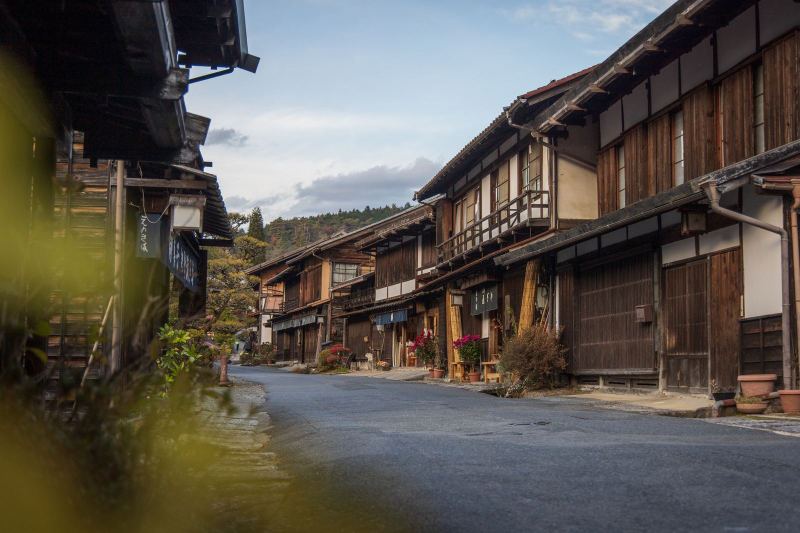
The floodgates controlled water flow for defensive flooding. Today, private residences, commercial establishments, and parks line the former moat. Willow trees are prevalent along the banks. Visitors might also spot wading birds. A great blue heron can often be seen. Older buildings, some with thatched roofs covered by corrugated iron, also flank the canal. Replicas of canal-side fishing stations, with raised platforms and nets, are visible.
Ohana Shoto-en and Neighbourhood Exploration
The canal tour concludes at Ohana Shoto-en. This site was once the residence of the Tachibana lords of Yanagawa Castle. Visitors can tour the 17th-century traditional-style palace of the Tachibana family. The Shoto-en garden, with its 280 black pine trees, is also accessible.
Seiyo-kan, a two-story Western-style building constructed in 1910, served to accommodate Western dignitaries. It now functions as a museum. A bus stop near the Ohana boat dock offers shuttle services back to the station. Buses run hourly between 12 noon and 4 p.m., with a final departure at 4:30 p.m. This schedule allows passengers time to explore the Honjo Machi neighbourhood.
This area near Ohana Shoto-en contains various shops, temples, and other sites. Bicycle rentals are available nearby. Alternatively, visitors can stroll along the canal-side walkways. Some travellers may choose to walk back to the station through Yanagawa's modern streets.
Culinary Delights and Travel Implications
Yanagawa is also recognised for its local culinary offerings. A prominent dish is Unagi no Seiro-mushi, which features grilled eel. This eel is slathered in sweetened soy sauce and served over a bed of rice. Nearly every local restaurant prepares its own version of this regional delicacy.
It presents an ideal lunch option within the Honjo Machi neighbourhood or elsewhere in the city. The town's accessible location makes it a practical addition to Kyushu itineraries. Its proximity to Fukuoka allows for straightforward day trips. Travellers seeking a distinct cultural and historical perspective will find value in Yanagawa's waterways.
The combination of historical insight, leisurely water travel, and regional cuisine defines the destination's appeal. This offers a different facet of Japanese travel, moving beyond typical urban centres. Future visitors can anticipate a calm exploration of Japan's past and present.
Get The Post.
The global travel stories that matter, three mornings a week. Free.