Ytri Island Retreat Opens in Norway’s Træna Archipelago, Fostering Community-Minded Luxury
Ytri Island Retreat commenced operations in Norway’s remote Træna archipelago in April 2026. The new luxury destination on Husøya island integrates local community development, aiming to redefine tourism through social sustainability and local engagement. This initiative emerged from a decade-long local planning effort.
New Retreat Focuses on Social Sustainability
Ytri Island Retreat opened in Norway’s Træna archipelago in April 2026. Situated on Husøya, this destination aims to redefine luxury travel. It focuses on social sustainability and deep local engagement. The concept originated a decade ago from the Træna municipality. Local development company Træna 365 also contributed to its inception.
They sought alternative futures as the regional fishing industry declined. Investors Asle Helgheim and Ellen Hestenes joined the project. They brought experience from an existing Swedish spa hotel. The retreat’s development involved six years of planning. Since its opening, Træna’s population has increased by almost two percent. This shows the project's vision of social sustainability is taking hold.
Design Reflects Remote Archipelago
The retreat features 38 rooms and suites. Their design is simple, drawing inspiration from monastic aesthetics. High, church-like ceilings crafted from pale wood define the spaces. Interiors incorporate Norwegian wool cushions and blankets in muted blues and greys. Ceramic vases display dried flowers. Suites include bioelectric fireplaces.
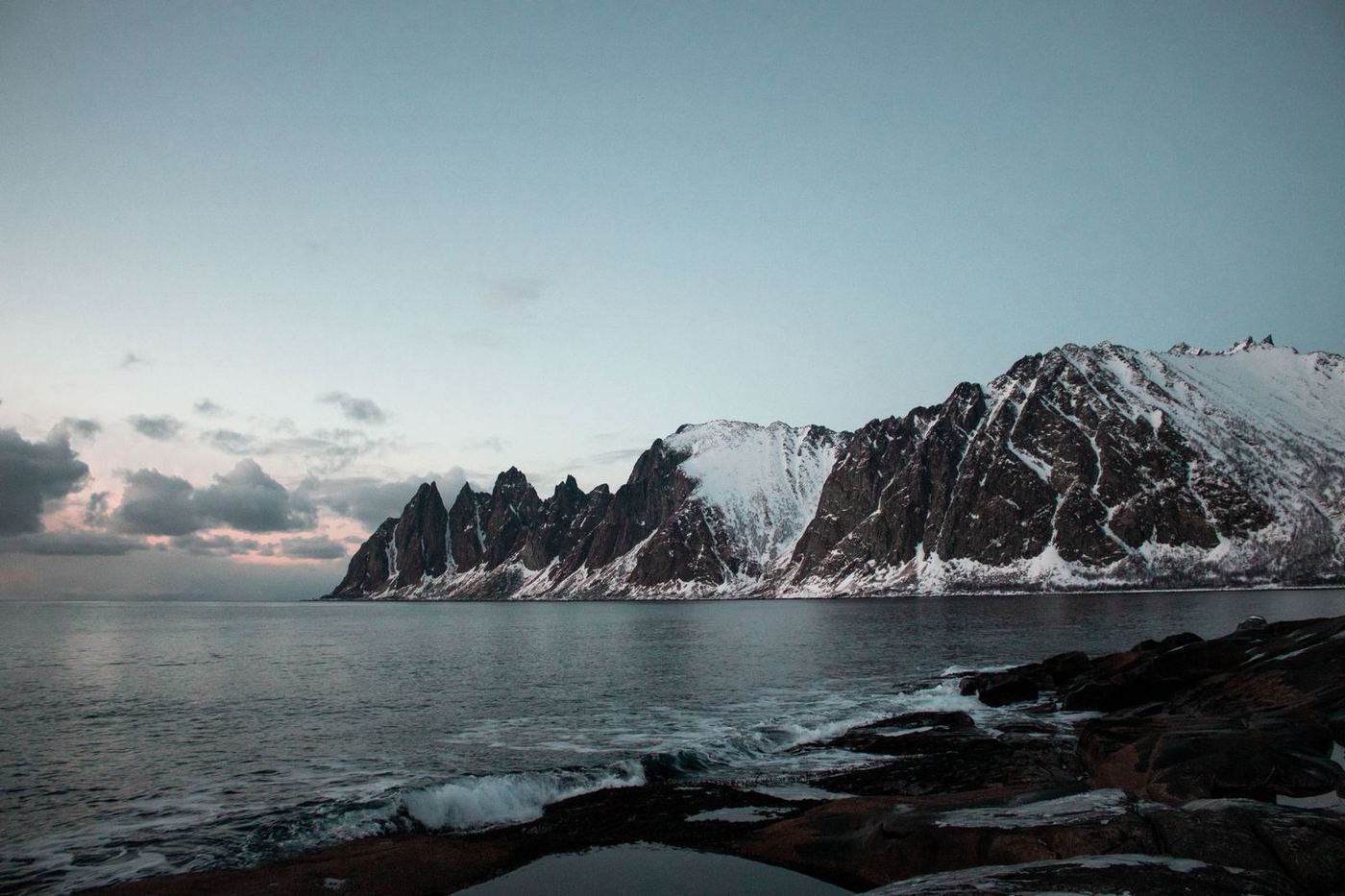
Design firm Bonaparte Interiør utilised local materials extensively. Terrazzo floors contain sand, stone, and shells sourced directly from the island. Walls display abstract prints by Norwegian artists. Bathrooms are stocked with pine-scented Skøn toiletries. Floor-to-ceiling windows in every room offer views. They face the Trænstaven mountain, which rises from the ocean on Sanna island.
Local Activities and Culinary Focus
Ytri Island Retreat provides various activities. Guests can use custom speedboats for excursions. Hiking, kayaking, and freediving trips are available. Less adventurous options include drifting in flotation suits. These allow viewing kelp forests and the Northern Lights. An ocean-facing sauna also provides relaxation. The hotel’s Alma restaurant emphasises local ingredients.
Breakfast offers cured lamb, brown cheese, and barley porridge. Lentil hummus on seed crackers is also served. A four-course dinner includes a brown butter candle, a tribute to sailors' beacons. The chef’s table offers a 12-course tasting. This reimagines a route from Hawaii to Træna. It features dishes like whale tartare and cod-tongue fish and chips.
Anders Budde, a local water engineer and free-diver, guides activities. He also sources scallops and kelp for the restaurant. Sanna island, opposite the retreat, holds historical significance. Its Kirkhelleren cave reveals artefacts dating back 9,000 years.
Remoteness Mitigates Overtourism Concerns
The Træna archipelago’s remote location helps manage visitor numbers. This contrasts with other Norwegian regions, like the Lofoten archipelago, which face overtourism challenges. Access to Ytri Island Retreat is not straightforward. A 112-mile ferry journey from Bodø is required. Private helicopter transfers from Bodø can also be arranged.
The islands' inaccessibility acts as a natural cap on arrivals. This preserves their character and environment. While Hurtigruten cruise ships occasionally bring day trippers, the overall volume remains controlled. This approach helps maintain the delicate balance between tourism and local preservation. It ensures the destination retains its unique appeal without degradation from excessive visitor density.
Implications for Sustainable Destination Development
Ytri Island Retreat demonstrates a model for sustainable luxury travel. Its integration with the local community shows direct economic and social benefits. The increase in Træna’s population post-opening reveals positive local impact. This approach offers a blueprint for other remote destinations. It balances visitor interest with environmental and social preservation.
The retreat’s focus on local sourcing and employment strengthens the regional economy. Its controlled access strategy could inform future tourism development in vulnerable areas. Industry stakeholders will observe if this model successfully maintains its community focus long-term. This initiative may influence how new luxury destinations are planned globally.
Get The Post.
The global travel stories that matter, three mornings a week. Free.