New Mountain Ranking: Fuji, Kinabalu Top Travel Destinations
A recent compilation published on 26 September 2026 highlights a diverse selection of the world's most captivating mountains, from Japan's sacred Mount Fuji to Malaysia's biodiverse Mount Kinabalu, offering varied activities for travellers.
Mountains as Global Travel Destinations
A recent compilation from travel publication Condé Nast Traveler, published on 26 September 2026, identifies some of the world's most striking mountains for visitors seeking dramatic natural backdrops and outdoor pursuits.
These geological formations present varied climates from base to peak, supporting a rich array of biodiversity and offering attractions for different types of travellers. Activities range from strenuous climbing expeditions to more leisurely strolls, alongside options for horseback riding, hiking, cycling, and camping.
The selection underscores the appeal of these natural landmarks, not only for their imposing physical presence but also for the unique ecological and cultural contexts they provide to explorers globally.
Asian Peaks Offer Diverse Travel Experiences
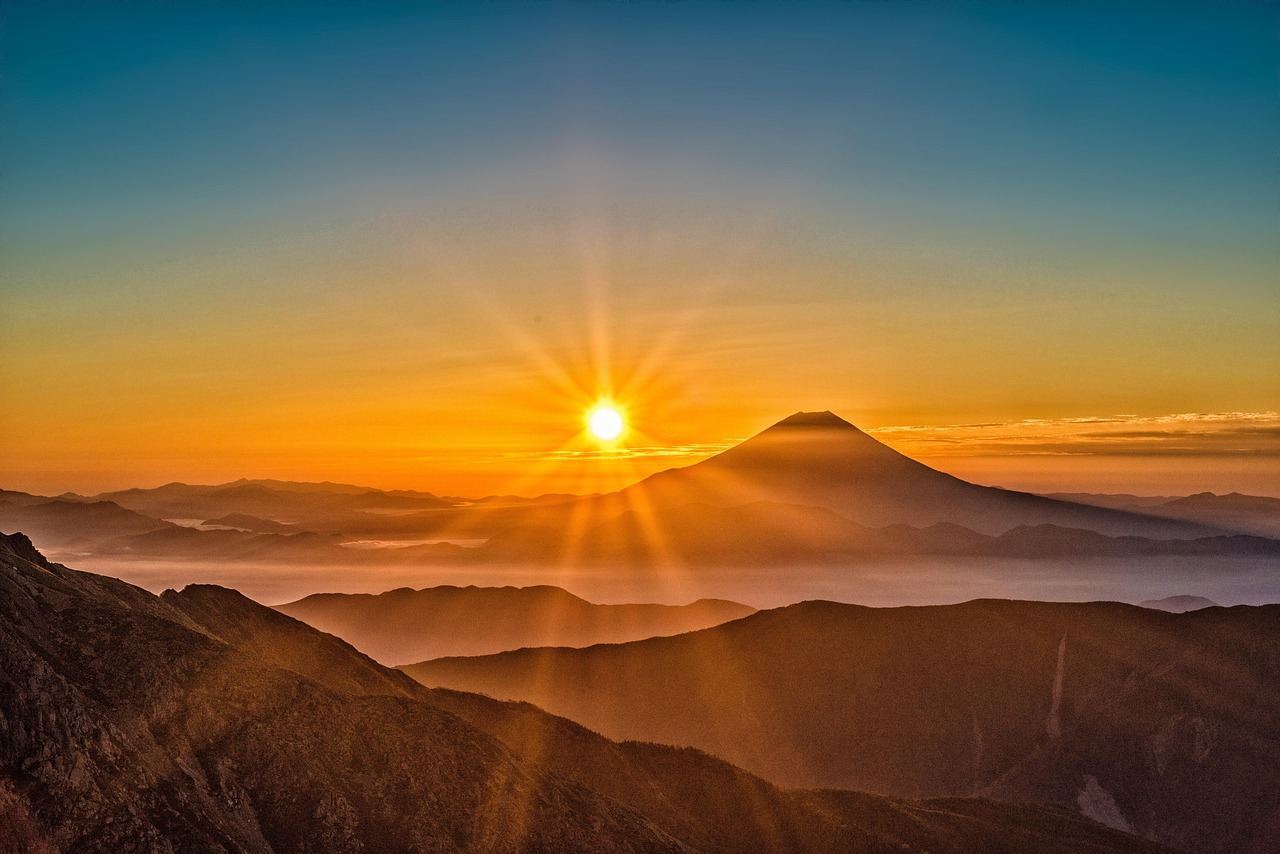
Within Asia, several prominent mountains feature in the compilation, drawing significant traveller interest. Japan’s Mount Fuji stands out as a highly recognisable and sacred landmark, long serving as a spiritual and creative inspiration.
Its wider setting hosts 25 UNESCO-recognised cultural sites, including pilgrimage lodging houses and Shinto shrines, with tranquil viewing spots available at Lake Motosu or Lake Shoji within the Fuji Five Lakes region. Further south, on the island of Borneo, Malaysia’s Mount Kinabalu is celebrated for its exceptional biodiversity.
This World Heritage-protected mountain, Malaysia's highest at 13,435 feet, transitions from tropical rainforest at its base to rocky terrain near its summit, home to over 5,000 plant species, 326 bird species, and more than 100 mammal species.
The Himalayan giant, Mount Everest, straddling Tibet and Nepal, is also noted for its nearly 30,000-foot height and cultural significance, known as Chomolungma in Tibetan and Sagarmatha in Nepali. Visitors can gain close views at Kala Patthar near Everest Base Camp, a journey typically requiring two weeks round-trip from the gateway town of Tenzi.
Worldwide Opportunities for Outdoor Enthusiasts
Beyond Asia, the compilation highlights a range of other captivating mountain destinations. In North America, Washington state’s Mount Rainier, rising approximately 14,000 feet, offers pristine meadows and old-growth forests, accessible within a three-hour drive from Seattle or Portland.
Mount Rainier National Park provides extensive trails, particularly vibrant with wildflowers during summer, with options like Nisqually Vista Trail for glacial views or longer routes at Sunrise for those avoiding crowds.
Africa’s Table Mountain, overlooking Cape Town, is notable for its flat top and sweeping Atlantic vistas, offering treks such as Platteklip Gorge or the more challenging India Venster route, alongside a convenient cable car option.
Europe’s Mont Blanc, situated on the French-Italian border, holds historical significance as the birthplace of modern mountaineering, attracting skiers and snow hikers, with cable car access from Chamonix, France, providing panoramic views of the Alps.
Implications for Asian Travellers and Tourism
The global spotlight on these iconic mountains, particularly those in Asia, is expected to maintain robust interest in outdoor and nature-based tourism across the region. For Asian travellers, the inclusion of Mount Fuji, Mount Kinabalu, and Mount Everest reinforces their status as premier destinations for both spiritual engagement and adventure.
Tourism boards in Japan, Malaysia, Nepal, and Tibet can capitalise on this continued visibility to promote sustainable travel practices and diverse visitor itineraries, catering to a growing segment of travellers seeking immersive natural experiences.
The emphasis on biodiversity and cultural significance also encourages the development of responsible tourism initiatives, ensuring these natural assets remain preserved for future generations of local and international visitors.
Get The Post.
The global travel stories that matter, three mornings a week. Free.