Hong Kong Tourism Board Faces Authenticity Debate
A new Hong Kong Tourism Board campaign, "Only in Hong Kong," focuses on authentic street scenes and local culture, prompting public discussion about the city's commitment to preserving these elements amid ongoing urban development. Commentators suggest travellers increasingly seek a sense of place over traditional landmarks, necessitating a re-evaluation of conservation efforts to align with marketing strategies.
New Campaign Focuses on Local Character
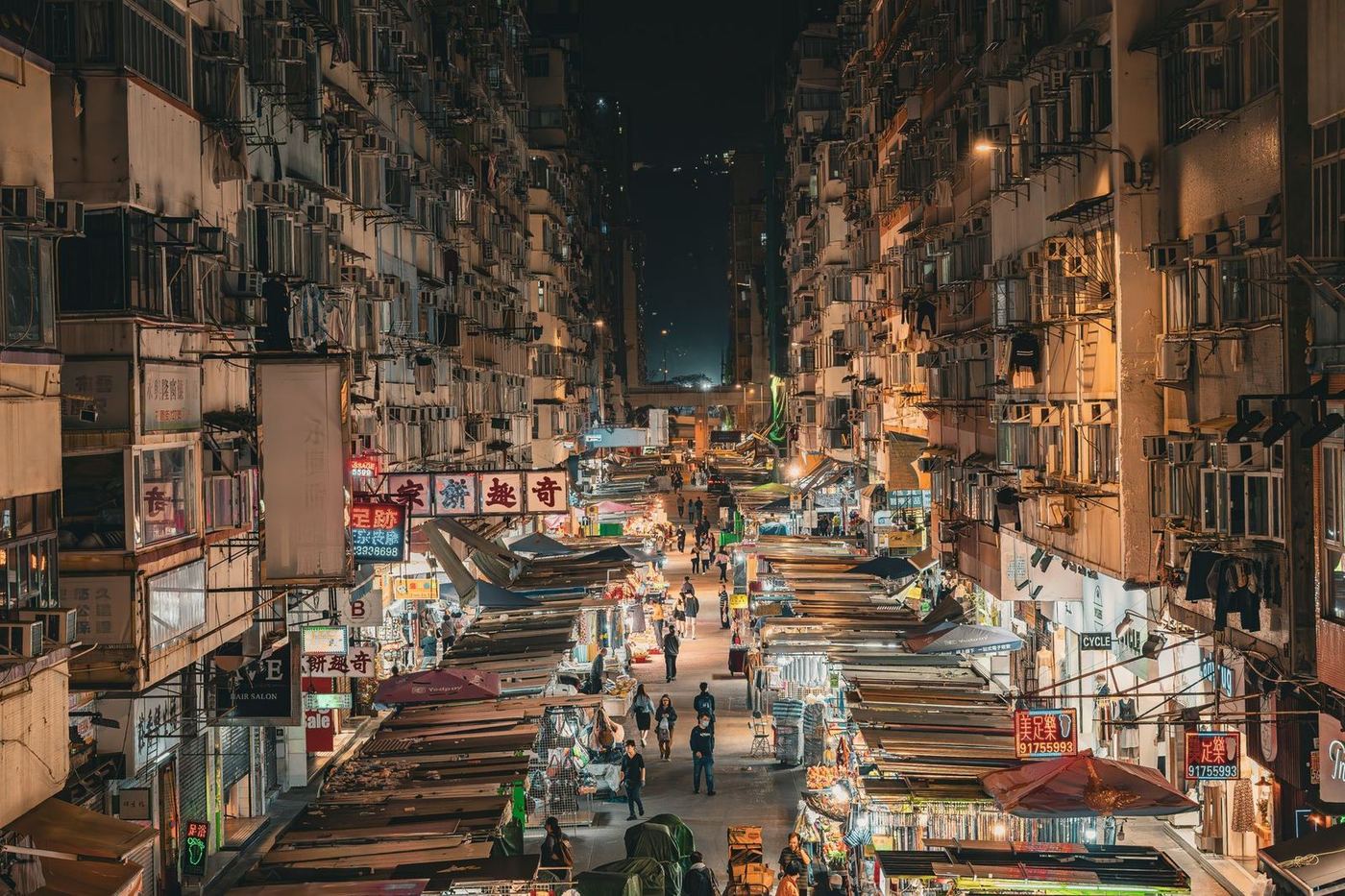
The Hong Kong Tourism Board (HKTB) recently launched its "Only in Hong Kong" campaign, shifting its promotional focus from large-scale events and prominent attractions towards the city's distinctive local character. Launched by the HKTB, the initiative highlights elements such as tram rides, neighbourhood streets, dai pai dong eateries, and wet markets.
These scenes, according to commentators, are what visitors are more likely to recall long after their stay. This approach reflects a broader shift in global travel preferences, where individuals increasingly seek a genuine sense of place rather than solely photographic skylines.
The atmosphere surrounding landmarks, not just the landmarks themselves, often remains with visitors, demonstrating a demand for authentic engagement with destinations.
Streetscapes Hold Appeal for Visitors
The public discussion, as reported on 7 September 2026, suggests that if Hong Kong aims to market itself through its unique atmosphere, it must actively preserve the elements that create this feeling. A recent instance, the filming of the production 'Highlander' on Peel Street, underscored this point.
The film set recreated a Hong Kong streetscape, complete with neon signs and hawker stalls, drawing hundreds of onlookers. While the presence of actor Henry Cavill contributed to the crowd, observers noted a significant fascination with the setting itself.
This appeal stemmed from the familiarity of seeing an unmistakably Hong Kong streetscape, even if it was a reconstruction for a Hollywood production, revealing the enduring draw of these traditional urban elements.
Preservation of Cultural Signatures
Commentators argue that while urban development is necessary, additional polished shopping complexes are unlikely to be what visitors remember most about Hong Kong. The city's identity, they contend, derives from the layers of old and new, formal and informal, and improvised elements that define its districts.
Neon signage serves as a prime example; it remains a visual signature of Hong Kong in films and tourism advertisements, despite significantly fewer signs existing on the streets today. Readers suggest that where modern safety standards permit, more older signs should be maintained and restored.
Furthermore, new neon installations, they argue, should not be restricted to museum displays but integrated into the urban fabric. This principle extends to wet markets, dai pai dong, hawker stalls, and the daily street life that gives neighbourhoods their distinct character.
Aligning Marketing with Urban Planning
The "Only in Hong Kong" campaign, as discussed by commentators, presents an opportunity for the city to align its marketing message with its urban planning and cultural preservation efforts. If the campaign correctly identifies that a destination's memorability stems from its character, then the city must apply this thinking beyond advertising.
The implication for both travellers and the industry is clear: the authentic character promoted to the world must remain accessible and tangible within Hong Kong's streets.
This requires a concerted effort from urban planners, policymakers, and cultural bodies to ensure that the city's unique identity is not eroded by development but rather sustained and celebrated, directly impacting the long-term appeal and sustainability of Hong Kong's tourism sector.
Get The Post.
The global travel stories that matter, three mornings a week. Free.