Indonesia Tourism Ministry Launches 'Go Beyond Ordinary'
Indonesia's Ministry of Tourism has launched its "Go Beyond Ordinary" campaign, developing new products around gastronomy, wellness, and heritage to broaden visitor offerings beyond traditional attractions.
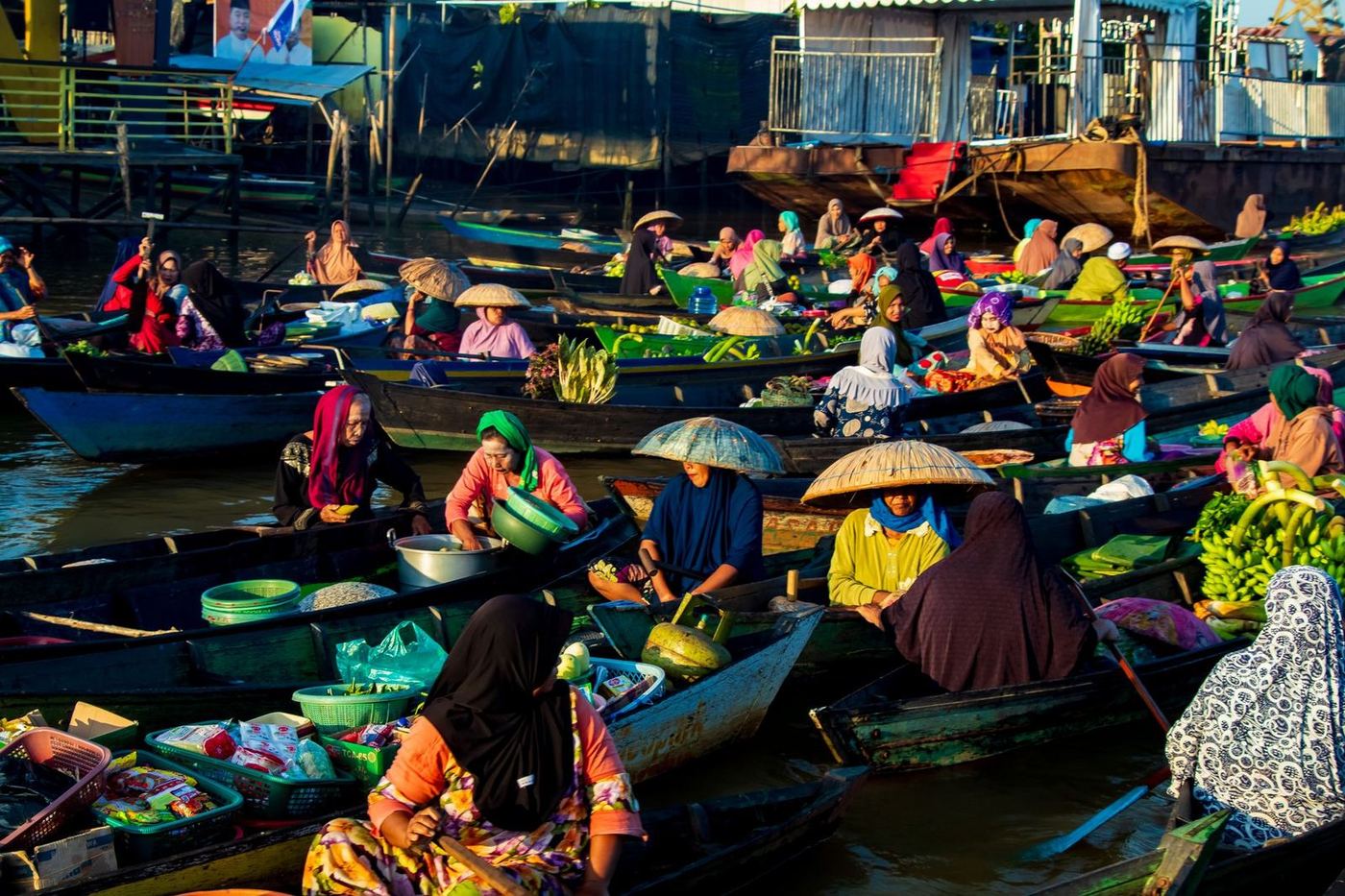
New Direction for Indonesian Tourism
Indonesia's Ministry of Tourism is redirecting its strategy to leverage the country's diverse cultural, natural, and heritage assets, moving beyond established tourist attractions. Ni Made Ayu Marthini, Deputy for Marketing at the Ministry of Tourism, announced this shift at the recent Indonesia Tourism and MICE Outlook 2027.
The Ministry is pursuing this through its "Go Beyond Ordinary" campaign, which aims to create experience-based products. These new offerings will focus on local gastronomy, wellness, marine tourism, textiles, arts, and culture, providing travellers with more immersive ways to explore Indonesian destinations.
Developing Integrated Experiences
The Ministry's strategy emphasises combining multiple experiences within a single destination or using one interest to introduce visitors to other locations. For instance, Yogyakarta and Solo can offer integrated programmes that blend gastronomy, textiles, arts, and traditions.
Similarly, Labuan Bajo can connect wildlife and marine activities with adventure and the cultural heritage of Flores.
Historical sites such as Prambanan or Borobudur temples can be incorporated into walking tours that combine ancient landmarks with local arts, culture, textile heritage, and surrounding landscapes, allowing visitors to engage more deeply with a destination during a single trip. Ni Made Ayu Marthini noted that Indonesia possesses extensive offerings in culture, nature, and local environments.
Industry Calls for Long-Term Planning and Product Standardisation
Industry leaders have weighed in on the implementation of this new tourism approach. Fadli Fahmi Ali, CEO of Werkudara Group, highlighted the need for thorough research into the stories, traditions, and communities behind a destination before translating them into visitor activities.
He stressed that products must then be standardised to ensure consistent delivery and to translate local assets into tangible value for travellers. Haryadi Sukamdani, Chairman of the Indonesian Tourism Industry Association (GIPI), called for long-term planning and continuity in government tourism programmes, advocating for a shift away from project-based initiatives.
He specified that quality tourism development requires assessing regional potential, establishing supportive regulations, providing investment incentives, and creating public-private partnership frameworks to attract investors.
Addressing Modern Lifestyle Trends
Erastus Radjimin, founder and CEO of Artotel Group, pointed to the importance of understanding current lifestyle trends, such as the increasing focus on healthy living, when developing new travel experiences. To align with this trend, Artotel Group plans to introduce a "Wanderlust Recovery Centre" equipped with gym facilities.
Radjimin also indicated a desire to differentiate the group's offerings through the sleep experience, noting that contemporary travellers often monitor their sleep quality using health trackers. This focus on wellness and well-being reflects a broader trend in travel decisions, which Artotel Group aims to develop further.
Implications for Asian Travellers and Operators
Indonesia's pivot to experience-led tourism means travellers can anticipate a wider array of immersive and culturally rich options beyond the well-trodden paths. This strategy could lead to more diverse package deals from tour operators and hotels, encouraging deeper engagement with local communities and heritage.
For tourism businesses across Asia, this move by Indonesia signals a potential shift in visitor expectations, driving demand for authentic, multi-faceted travel experiences. Other Southeast Asian destinations may observe similar trends, prompting them to innovate their product offerings to remain competitive and attract travellers seeking more than just conventional sightseeing.
Get The Post.
The global travel stories that matter, three mornings a week. Free.


