South Korea Expands Rural Tourism Focus Beyond Seoul
The South Korean government is leveraging K-culture sites and offering travel refunds to draw visitors to regional areas, aiming to decentralise tourism and boost local economies.
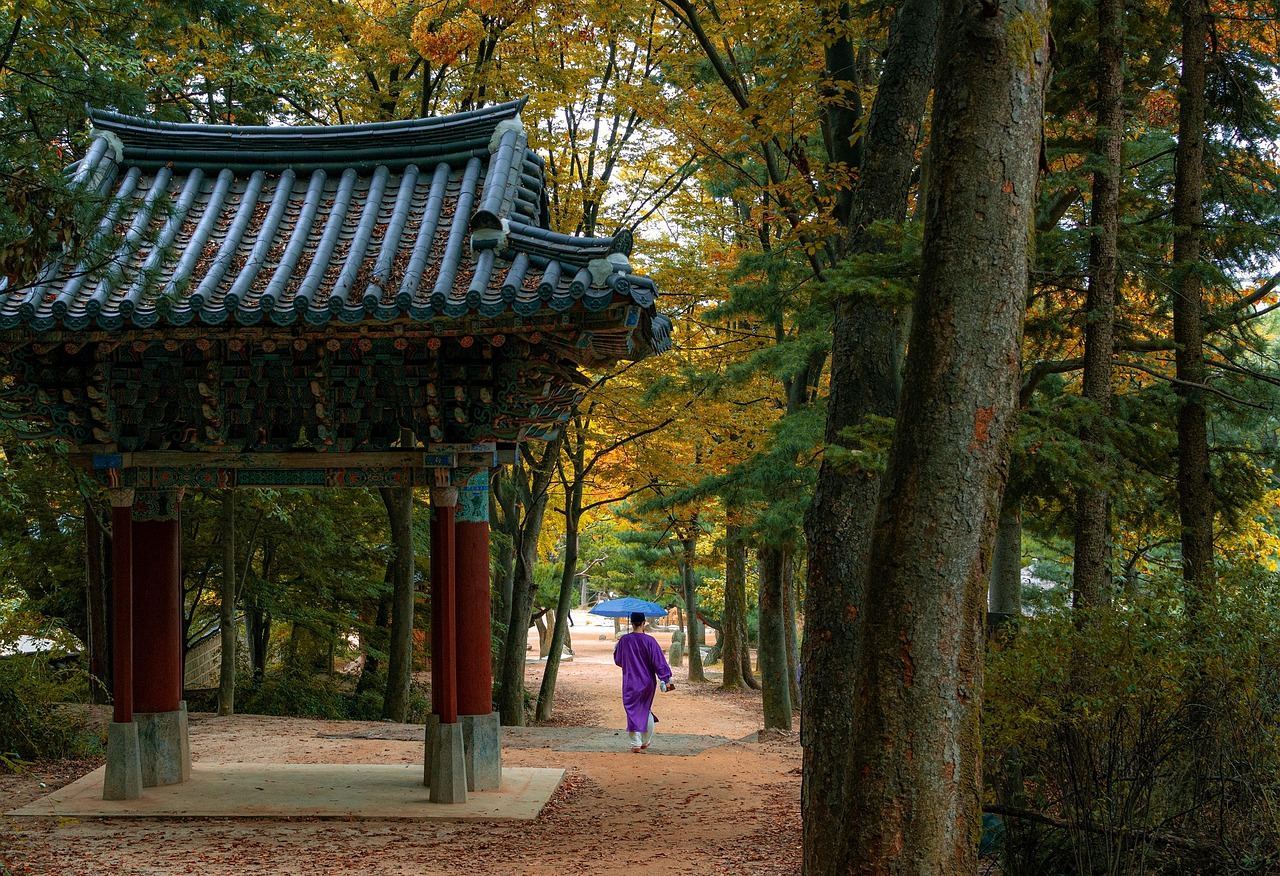
New Initiatives to Spread Visitor Numbers
South Korea is actively promoting tourism in its regional areas, seeking to spread visitor numbers beyond the capital, Seoul. This strategic shift by the South Korean government aims to distribute the economic benefits of a growing tourism sector and address the ongoing challenge of regional depopulation.
Key initiatives include linking popular K-culture sites with rural attractions and providing financial incentives to encourage travellers to explore areas outside major urban centres. This approach is designed to encourage longer stays and broaden tourist spending across the country, rather than concentrating it in a few key destinations.
Refund Programmes and Cultural Linkages
Among the specific programmes launched, the government introduced a pilot refund initiative in April this year. This scheme offers travellers a 50 per cent refund on eligible expenses when visiting designated rural areas, particularly those facing population decline, such as Yeongwol and Pyeongchang counties.
Yeongwol has gained recent tourist interest following the early 2026 release of the historical film, 'The King’s Warden', which was shot on location there. Pyeongchang is internationally recognised for hosting the 2018 Winter Olympics.
Culture Minister Chae Hwi-young stated in March that this initiative aims to revitalise struggling regions while offering more affordable travel experiences. Separately, the Ministry of Agriculture, Food and Rural Affairs (MAFRA) is developing tourism belts to connect K-drama and film locations with existing rural attractions.
Record Arrivals and Concentration Challenges
South Korea welcomed a record 18.94 million foreign visitors in 2025, with the first half of 2026 seeing 10.71 million arrivals, marking a 21 per cent increase from the same period last year. Despite this growth, tourism remains heavily concentrated in Seoul. In 2025, nearly 77 per cent of foreign visitors travelled to the capital.
In contrast, Busan, a major southern port city, received approximately 16 per cent of visitors, and Jeju island saw about 10 per cent.
A survey conducted by Creatrip, a travel platform for inbound tourism, in February this year revealed that 79 per cent of 100 respondents expressed a desire to revisit South Korea, indicating strong potential for return tourism if diverse attractions are promoted.
Addressing Regional Depopulation
The government’s push for rural tourism is closely tied to a broader demographic challenge. South Korea faces a deepening regional depopulation crisis, with approximately 89 of its 226 municipalities—nearly 40 per cent—designated as areas of population decline.
This is largely due to young people moving to the Seoul metropolitan area for better work opportunities, where roughly half of the country’s 51 million people now reside.
For travellers, this focus means a greater selection of curated experiences and improved infrastructure in regional areas, potentially leading to more diversified itineraries and opportunities to explore less crowded natural and cultural sites beyond the capital.
Get The Post.
The global travel stories that matter, three mornings a week. Free.


